
Splat Space Community Biology Lab
Splat Bio is the community biology lab at Splat Space, a 501(c)(3) nonprofit makerspace at 800 N Mangum St., Suite 500, Durham, NC. Community Biology brings together people interested in DIY biology, biotechnology, entrepreneurship, citizen science, hands-on learning, and creative scientific exploration within Splat Space.


Community Biology at Splat Space
Splat Space is a community lab where you can get hands-on with molecular biology, microbiology, and biotech without needing a university lab or a company behind you. Whether you’re just getting started or working on your own idea, this is a place to try things, ask questions, and make progress.
The lab is fully integrated into Splat Space, so you have access to a wider makerspace alongside a growing biology setup. We run workshops, casual meetups, and collaborative projects, but a lot of the value comes from people just showing up and building things together.
You’ll find people here working on everything from basic lab skills—like pipetting and running gels—to more open-ended projects in community science, bio art, and early-stage biotech ideas.
Are you building something in biotech, chemistry, or applied science?
If you’re an entrepreneur, the space can also function as a lightweight starting point. You can receive shipments from scientific suppliers directly to the lab, use shared equipment and reagents, and start testing ideas without needing to build out your own lab first. We have a collection of shared reagents and a small budget to order widely applicable reagents, kits, and related materials.
Everything we do operates within BSL1 guidelines: mammalian cell work, BSL2+, and APHIS-regulated work are not allowed. Use of the lab requires safety training and waste disposal training.
If you’re curious, come by, meet people, and see what’s happening.
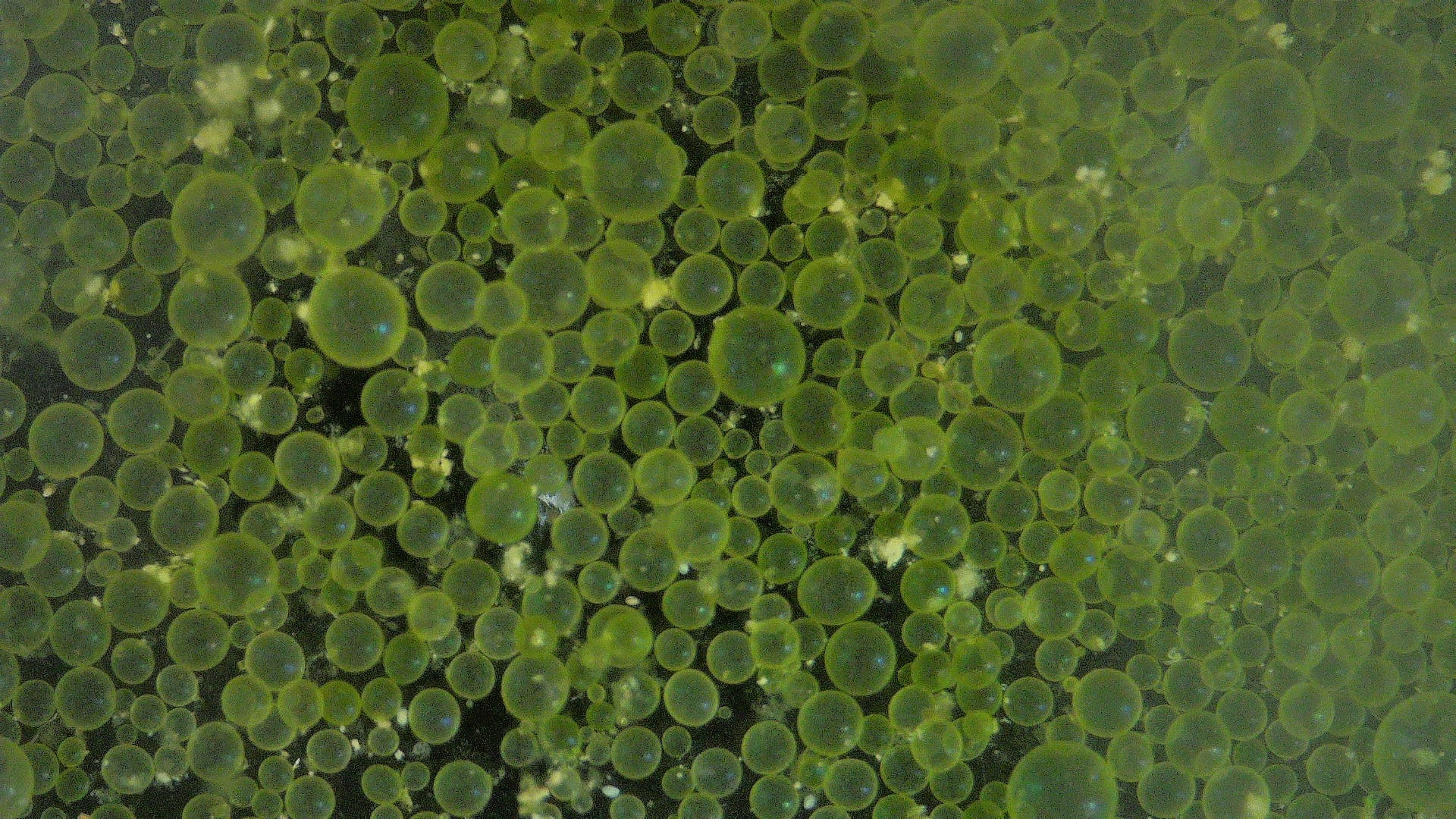
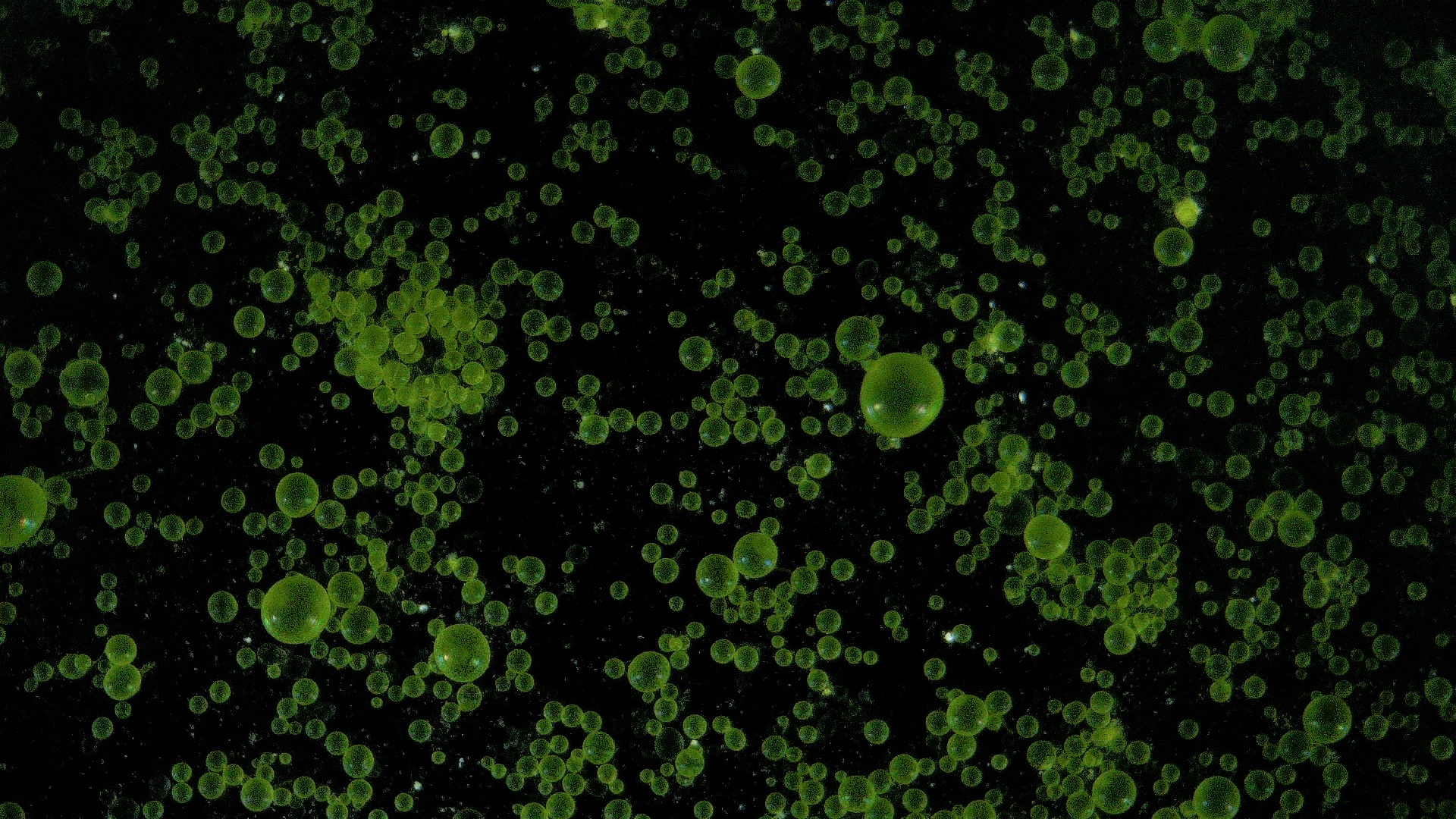


Valonia ventricosa (Bubble Algae)
Valonia ventricosa is one of the largest single-celled organisms in the world. Each green “bubble” you see is a single cell. You can hold it in your hand and feel the strength of the cell wall. We believe that bubble algae can make biology more tangible. Imagine a high school lab class where the students named their cells! This is an incredible future we are hoping to make a reality.
At Splat Space, we’re not just observing Valonia — we’re trying to understand how to grow it, work with it, and explore what it can do. This project is open-ended and hands-on: culturing algae, testing growth conditions, and experimenting with ways to interact with a cell that’s big enough to actually manipulate.
There’s also a bigger idea behind it. Because of its size and internal structure, Valonia might be useful as a kind of living bioreactor — a place to store molecules, run reactions, or explore new ways of doing biology. We believe it is possible to physically inject chemicals into the Valonia central vacuole. Pair this with heterologous gene expression, and suddenly Valonia can perform chemistry on substrates that are not accessible to other biotech chassis. We’re still early, but that’s what makes it interesting.
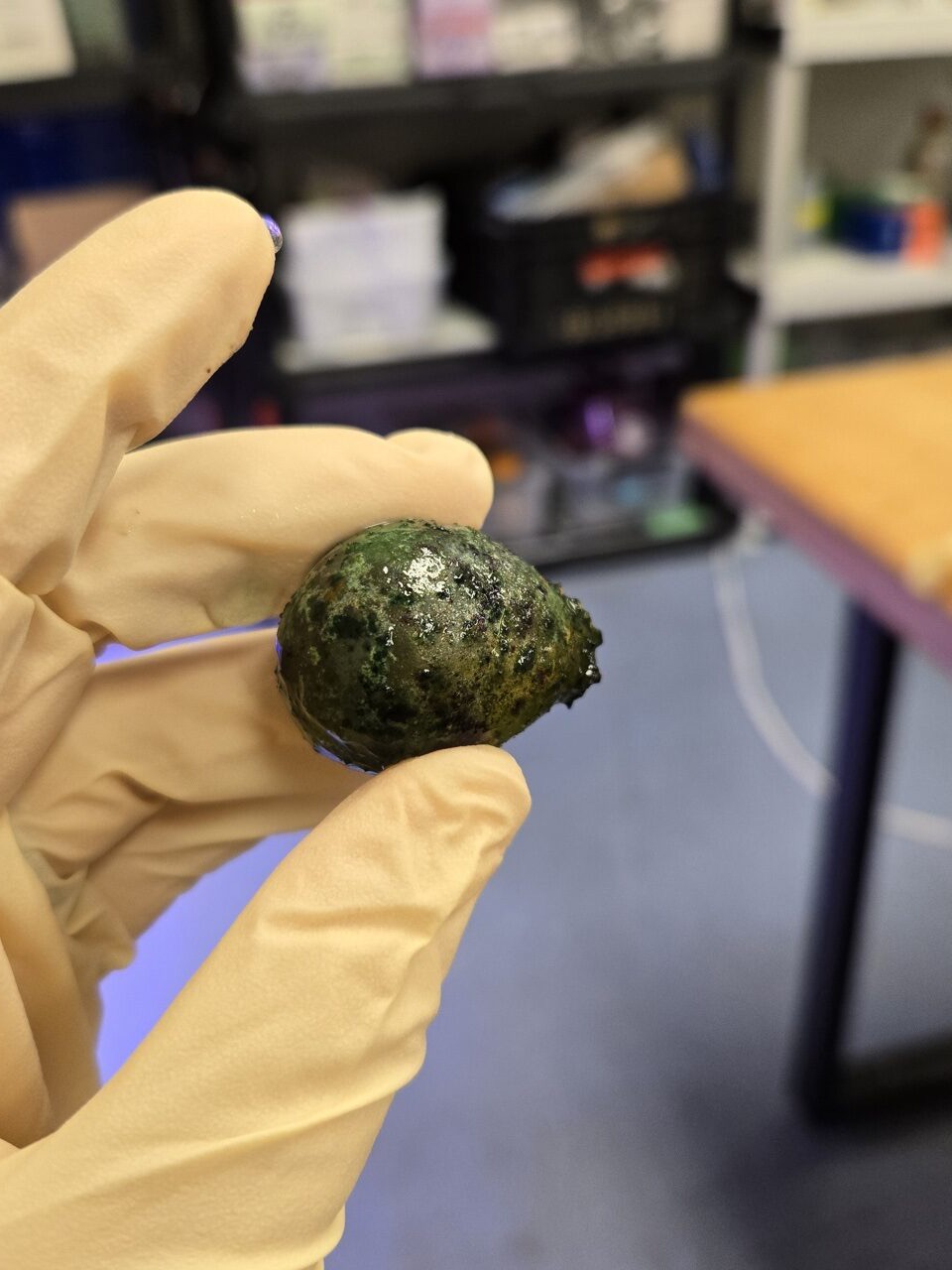
Project Aims
- Establish long-term maintenance protocols and growth optimization protocols.
- Publish the first genomic sequence for the Valonia genus.
- Establish the first proof-of-concept study showing Valonia ventricosa can be genetically engineered.
Project Status: October 2026
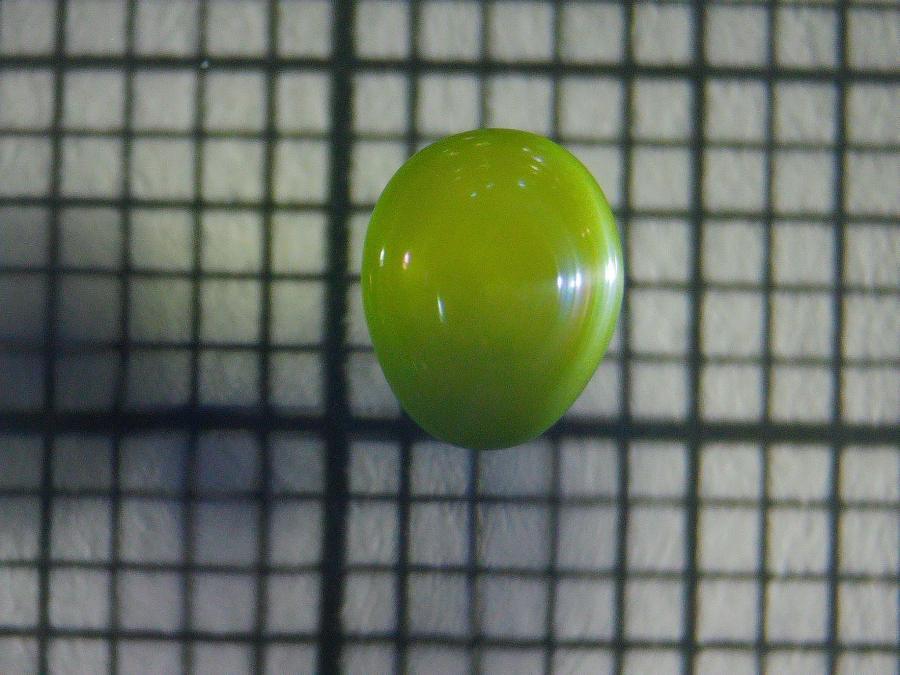
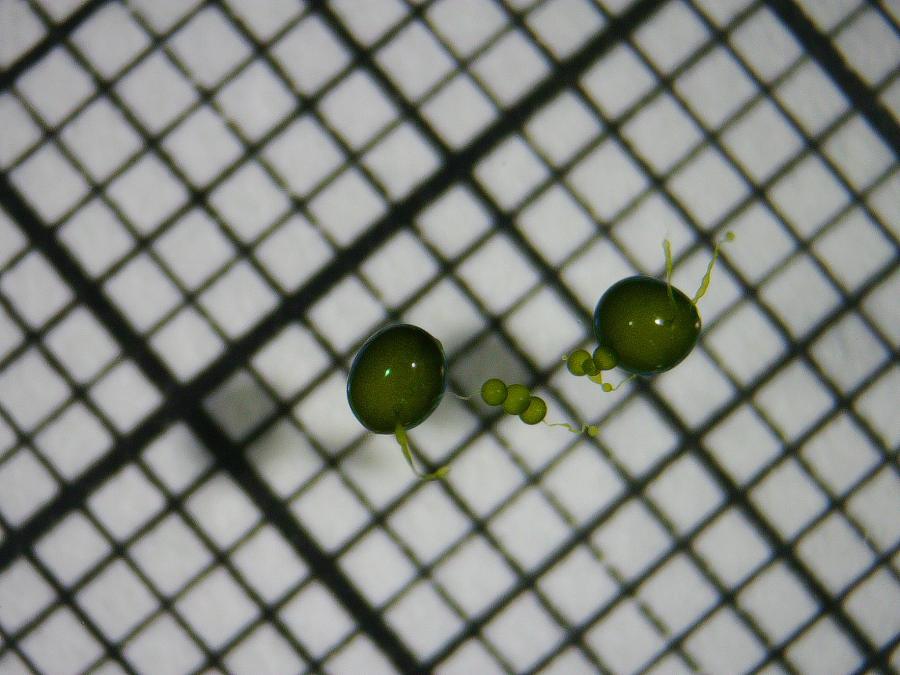
We are successfully culturing Valonia ventricosa. Under our current best conditions, a cell grows from an aplanospore to 4 mm in diameter in 46 days. Other growth conditions are producing dramatic changes in cell morphology.
For scale: a 4 mm cell holds about 33 µL, roughly 400 million times the volume of a yeast cell.
Project Status: September 2026
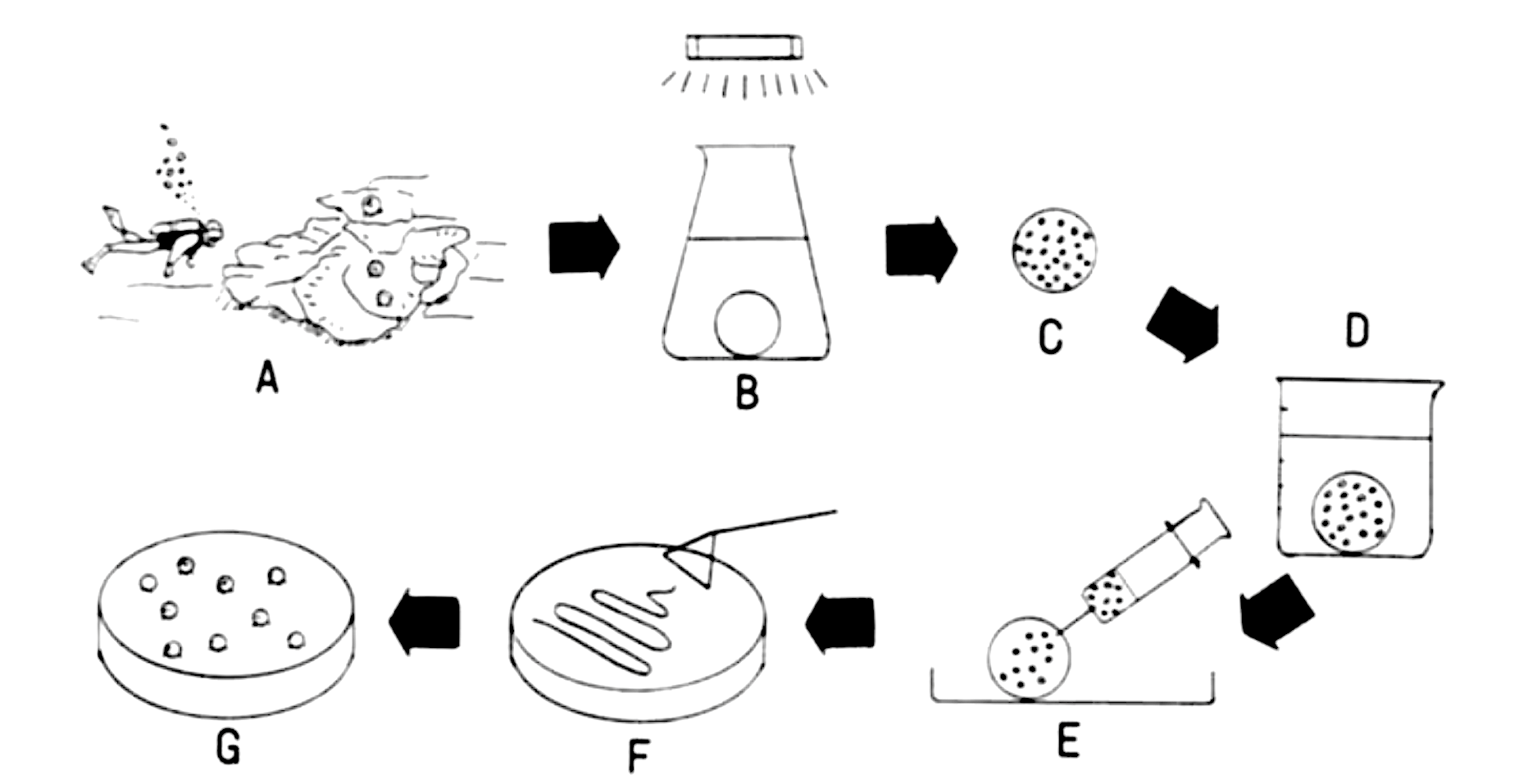
We are using the cold shock-syringe method of Nakanishi & Saga (1993), which we call the Nakanishi protocol, for the sterile isolation of Valonia ventricosa aplanospores. A cold shock induces the cell to form aplanospores, the cell surface is sterilized with ethanol, and the cell contents, including the aplanospores, are drawn out with a needle so they can be grown in sterile culture.
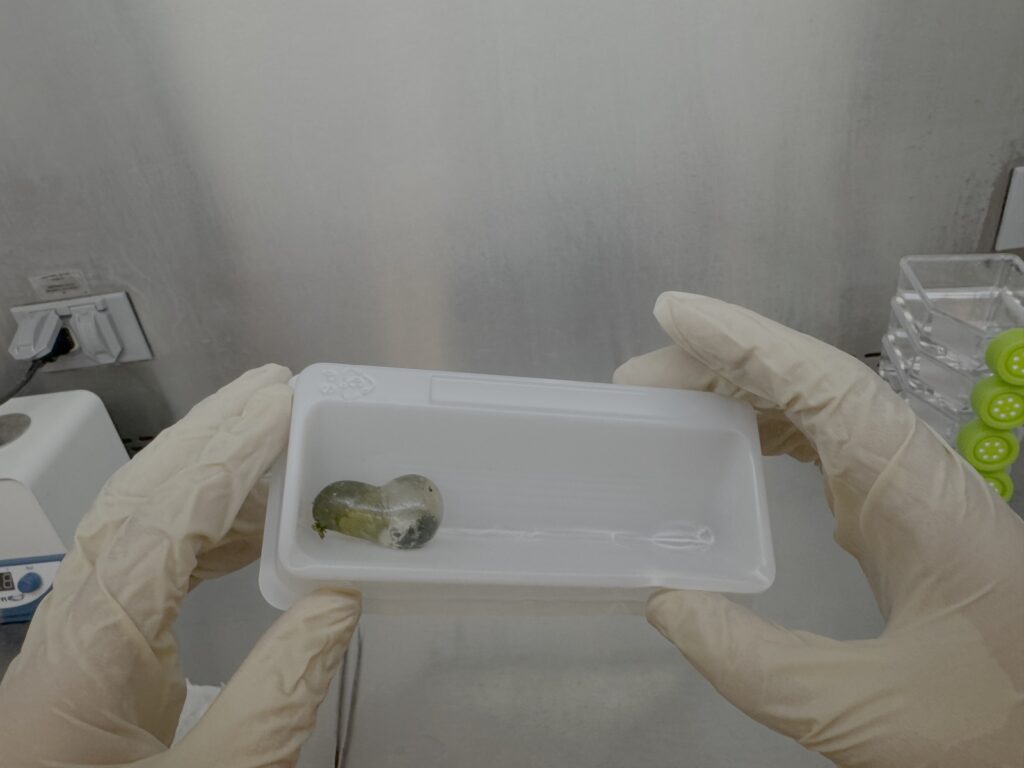
Below, a large V. ventricosa cell after cold shock and ethanol surface sterilization. Using a needle, we extract the cell’s internal “sap”: 5 mL from this cell.
Reference: Nakanishi, K. & Saga, N. (1993). A cold shock-syringe method for the preparation of an axenic culture of the giant coenocytic alga Valonia ventricosa. Journal of Fermentation and Bioengineering 75(2): 149–150. doi:10.1016/0922-338X(93)90227-Y
Project Status: July 2026
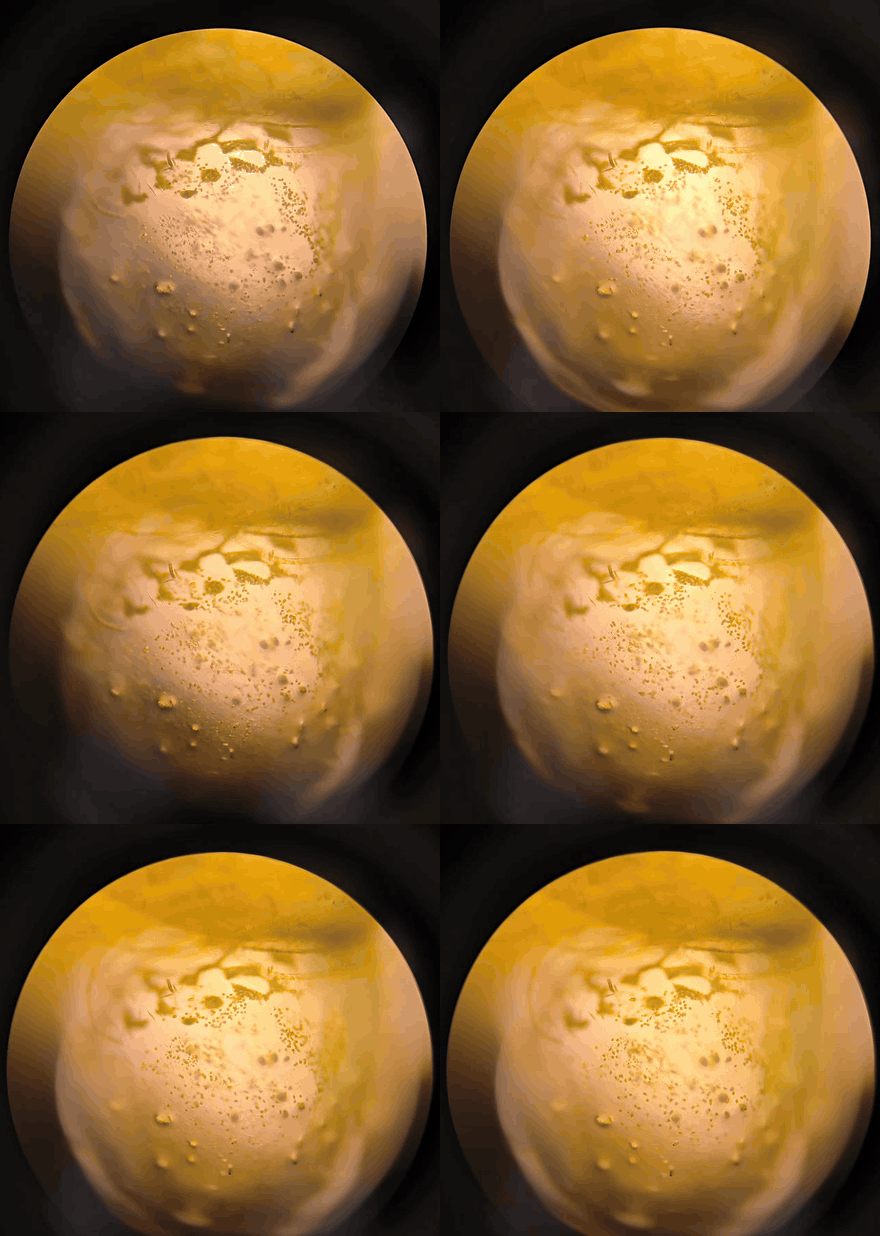
We are observing motile, swimming cells in one of our Valonia cultures. This is different from the non-motile aplanospores we are planning to collect. Swimming zoospores have been described in other Valonia species: Beutlich et al. (1990) report that “Valonia develops haploid and diploid zoospores with four flagella.” We think we may be seeing this stage in V. ventricosa, which would be a rare observation.
Reference: Beutlich, A., Borstelmann, B., Reddemann, R., Speckenbach, K. & Schnetter, R. (1990). Notes on the life histories of Boergesenia and Valonia (Siphonocladales, Chlorophyta). Hydrobiologia 204/205: 425–434. doi:10.1007/BF00040267
Support
The Valonia project has been supported by:
- Primordia Grants, a microgrant program for early-stage biology in community labs run by ValleyDAO and Biopunk Labs. Cohort 1 funded our project “Domesticating Valonia ventricosa: a giant single-celled lab workhorse.”
- Niko McCarty’s Fast Biology Bounties, supported by Astera Institute, for “Turning the giant single-celled alga Valonia ventricosa into an injectable biotech chassis.”
- cypherbio.ai, for software and LLM support and access.
Lab Space and Equipment
The Community Biology Lab is a BSL1 space. BSL2+ and APHIS-regulated lab work is not permitted.
Members have access to communal lab equipment. A full list is available upon request.
- Pipettes
- Biosafety Cabinet
- UV-Vis NanoDrop
- Cuvette Spectrophotometer
- PCR equipment
- Stationary and shaking incubators
- Centrifuge
- Autoclave
- pH Meter
- Conductivity Meter
- Precision Scale
- Plant Grow Tent + Lighting
- Algae Grow Tent + Lighting
Cost
The Biology Lab is included with Splat Space membership. There is no separate lab fee, so the cost of using the lab is simply your membership dues:
Full
$60 per month
24×7 access with a key fob
Student
$35 per month
Same as Full, for full-time students
Associate
$25 per month
Use the space when a Full member is present
Full members also pay a $15 key fob deposit, returned if you cancel. Membership plans and how to join → · Pay dues →
Communal equipment, reagents, and consumables are available at no cost. Members may also request general, widely applicable reagents to be purchased from the lab budget, for example if the space runs out of LB powder. Project-specific reagents and consumables are purchased at the member’s expense.
Come visit!
Both are open to everyone. No membership needed.
Open House
Every Saturday · 1–4 PM
Tour the space and ask questions about what we offer.
Community Biology Meeting
3rd Tuesday of the month · 7 PM
Meet the lab group and hear what people are working on.
Questions, equipment donations, and funding offers all go to the lab address.
TriDIYBio is now the Splat Space Biology Lab
TriDIYBio became the Splat Space Biology Lab. The community biology group formerly known as TriDIYBio continues today as the Splat Space Biology Lab (Splat Bio), here at Splat Space in Durham, NC. Everything on this page is the current home of that community.
For TriDIYBio’s past projects and history, please visit the archived site at http://www.tridiybio.org.